Who Can Legally Claim a Tax Deed Surplus in Florida? (Full Guide for Homeowners & Heirs)
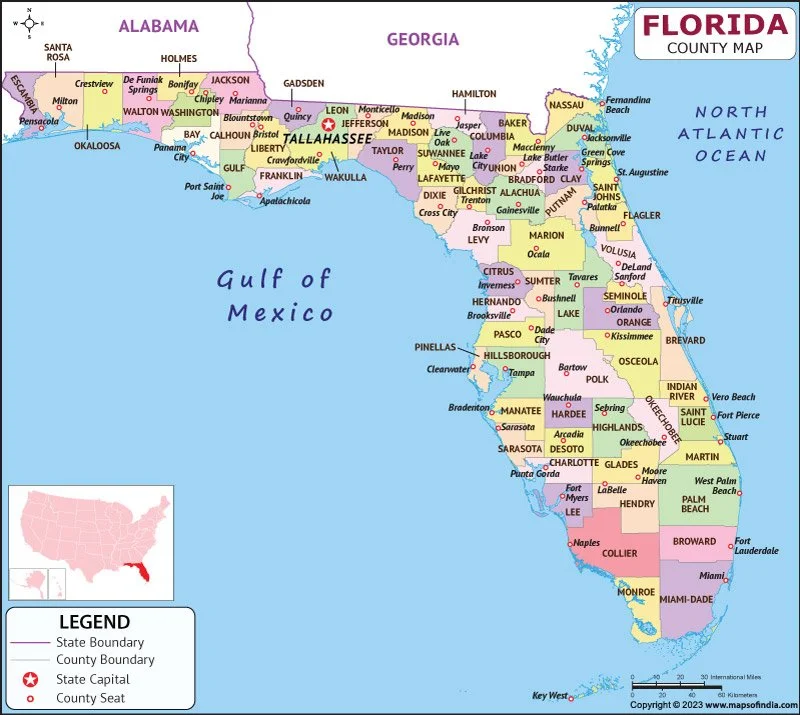
When a Florida property sells at a tax deed auction for more than the amount owed in delinquent taxes, fees, and costs, the difference creates what's known as tax deed surplus funds. These funds can amount to thousands—sometimes tens of thousands—of dollars. Yet every year, eligible homeowners and heirs across Florida lose these funds simply because they don't understand who can claim them or how the process works.
If your property was sold at a tax deed sale in any Florida county, or if you're the heir of someone who lost property this way, this comprehensive guide will explain exactly who is legally entitled to claim tax deed surplus funds, what documentation you'll need, and how to protect your rights under Florida law.
📧 intake@visionarysurplusrecovery.com
☎ (813) 859-6649 or text (813) 859-6649
Return to Master List
View every Florida county: Florida Tax Deed Surplus Funds by County (Full 2026 Guide)
What Is a Tax Deed Sale and How Does Surplus Get Created?
Understanding tax deed surplus begins with understanding how Florida's tax deed system works.
The Tax Deed Process in Florida
When property taxes go unpaid in Florida, the county issues a tax certificate to investors who pay those delinquent taxes. If a certificateholder holds that certificate for at least two years without redemption, they can apply for a tax deed, which forces the property to public auction.
At the tax deed auction, the property is sold to the highest bidder. When the winning bid exceeds the statutory minimum bid amount (which includes all unpaid taxes, interest, fees, and costs), the excess amount becomes surplus funds.
How Surplus Is Created
Here's a practical example: If the minimum bid at auction is $25,000 (covering all back taxes, interest, and costs), but the property sells for $75,000, there's $50,000 in surplus funds. These funds don't go to the winning bidder or the county—they belong to eligible claimants as defined by Florida law.
The Problem: Thousands of Florida Homeowners Lose Their Property
Each year, thousands of Florida homeowners lose their properties to tax deed sales due to delinquent property taxes. Many of these homeowners don't even know a sale is happening. Common scenarios include:
Elderly homeowners who can no longer manage their finances
Deceased owners whose heirs were never notified
Properties inherited by family members unaware of tax obligations
Homeowners facing financial hardship who fall behind on payments
Properties where the owner moved and mail wasn't forwarded
Even more concerning, many former owners never learn about surplus funds available to them. Claimants have 120 days from the notice date to submit claims, and if they miss this deadline or don't know surplus exists, these funds can be permanently lost or transferred to the state.
Who Can Claim a Tax Deed Surplus in Florida?
Florida Statute 197.582 governs the disbursement of tax deed surplus proceeds. The statute establishes a clear priority system for who can claim these funds. Understanding your eligibility is the first critical step.
Eligible Claimants Under Florida Law
1. The Former Titled Property Owner
The person who held legal title to the property immediately before the tax deed sale has the primary right to surplus funds. This is the most straightforward claim—if you owned the property when it was sold at auction, you're entitled to any surplus after liens are paid.
Key points for former owners:
You must have been the recorded owner at the time of sale
Your ownership must be documented in county public records
You maintain rights to surplus even if you no longer live in Florida
Even if you owed the delinquent taxes, you're still entitled to surplus funds
📧 intake@visionarysurplusrecovery.com
☎ (813) 859-6649 or text (813) 859-6649
2. Legal Heirs of a Deceased Owner
If the former property owner is deceased, their legal heirs are entitled to claim the surplus funds. Florida law recognizes inheritance as a valid basis for claiming surplus, whether or not a will exists.
Eligible heirs include:
Surviving spouse (typically has first priority)
Children and descendants
Parents (if no spouse or descendants survive)
Siblings (if no closer relatives survive)
More distant relatives following Florida's intestate succession laws
3. Surviving Spouse
The surviving spouse of a deceased property owner typically has priority rights to surplus funds. Florida law protects spousal inheritance rights, and in many cases, the surviving spouse may be entitled to all surplus funds even when other heirs exist.
4. Probate Estate and Personal Representatives
When the former owner is deceased and a probate estate has been opened, the personal representative (executor or administrator) can claim surplus on behalf of the estate. The personal representative must:
Be officially appointed by the probate court
Provide letters of administration or letters testamentary
File the claim on behalf of all beneficiaries or heirs
Distribute funds according to the will or Florida intestate law
5. Trustees
If the property was held in a trust at the time of the tax deed sale, the trustee has authority to claim surplus funds on behalf of the trust beneficiaries. The trustee must provide:
Copy of the trust document showing property was in the trust
Proof of trustee authority
Documentation of trust beneficiaries
6. Guardian of a Minor Heir
When a minor child is entitled to surplus funds as an heir, a court-appointed guardian can claim those funds on the minor's behalf. The guardian must:
Have formal court appointment
Provide letters of guardianship
Follow court requirements for managing the minor's funds
7. Holders of Recorded Financial Interests
Certain parties with recorded financial interests in the property may have claims to surplus, though their liens must typically be satisfied before the former owner receives funds. These include:
Mortgage lenders with recorded mortgages
Holders of recorded judgment liens
Mechanic's lien holders
HOA or condo association lien holders
IRS federal tax liens
Important: The clerk must pay all valid governmental liens before distributing surplus to nongovernmental claimants. Private lienholders must file timely claims within 120 days or forfeit their rights.
8. Investors Who Purchased Mortgages or Liens
Third-party investors who purchased a mortgage or lien against the property before the tax deed sale may claim funds to satisfy that debt, subject to the priority rules and claim deadlines.
9. Court-Appointed Parties
In certain cases, the court may appoint a special representative or other party to claim surplus on behalf of unknown or missing heirs, incompetent persons, or in other special circumstances.
Important Requirement: All Claims Must Be Properly Documented
Florida counties follow Florida Statute 197.582 and require strict documentation for all surplus claims. Simply claiming to be an heir or former owner isn't enough—you must prove your claim with official documents, which we'll detail later in this guide.
Special Circumstances That Affect Tax Deed Surplus Eligibility
Tax deed surplus claims aren't always straightforward. Various circumstances can complicate eligibility and the claims process. Understanding these scenarios can save you time, money, and frustration.
When Probate IS Required
Probate may be required when there are multiple heirs or questions about who the heirs are, as the court wants to ensure funds go to the right people.
Probate is typically necessary when:
The former owner died less than two years ago AND surplus exceeds $75,000
Multiple heirs exist and disagree about distribution
The identity or number of heirs is uncertain
The clerk's attorney requests probate to determine proper heirs
A will exists that needs to be validated
Other estate assets beyond the surplus need distribution
According to Florida Statute 735.201, summary administration can be done if the estate value is less than $75,000 or the decedent has been dead for more than two years. Summary administration is faster and less expensive than formal probate.
When Probate Is NOT Required
Many heirs can claim surplus without opening probate, particularly in straightforward cases:
Direct descendants (spouse, children) can often claim by affidavit
When the deceased owner died more than two years ago (regardless of surplus amount)
When surplus is under $75,000 and heirs are clearly identified
When only one heir exists with clear documentation
When the county accepts heir affidavits without requiring probate
It's possible to file an affidavit claiming surplus as the right of an heir, though many counties require probate even when heirs are clearly identified. Requirements vary significantly between Florida counties.
When Heirs Can Claim Without Letters of Administration
Direct heirs may claim surplus through an affidavit process without formal probate appointment in cases where:
The relationship is clear and undisputed (parent-child, spousal)
Supporting documentation proves the relationship (birth certificates, marriage certificates, death certificates)
No other competing claims exist
The county clerk accepts affidavit-based claims
However, the clerk retains discretion to require additional documentation or probate proceedings even in seemingly simple cases.
When Banks or Lienholders Receive Funds Instead
Governmental units holding liens must be paid first from surplus, followed by nongovernmental lienholders who filed timely claims, with any remaining balance going to the former owner or heirs.
The priority order is:
Governmental liens (county taxes, IRS liens, municipal liens)
Recorded private liens that filed claims within 120 days
Former owner or heirs
If liens exceed the surplus amount, the former owner receives nothing. If you're claiming surplus, you should first determine whether liens exist that might consume the entire surplus.
When the County Denies a Claim
Counties can and do deny surplus claims for various reasons:
Insufficient documentation of ownership or heirship
Missed filing deadlines
Competing claims filed by other parties
Inability to verify identity or relationship
Incomplete claim forms
Missing notarization or signatures
Questions about proper heirs requiring probate
When a claim is denied, claimants typically have options to:
Provide additional documentation
File a motion with the court
Open probate proceedings if required
Contest the denial through legal action
When Multiple Heirs Disagree
Disputes among heirs can significantly complicate surplus claims. Common scenarios include:
Disagreement about percentage distribution
Unknown or estranged heirs emerging to claim a share
Half-siblings or step-children claiming inheritance rights
Disputes about whether a will is valid
When heirs don't agree on distribution, a complaint for declaratory judgment can force the court to examine evidence and make a decision. The court will apply Florida inheritance laws to determine proper distribution.
When the Owner Died Years Ago
Many tax deed sales involve properties where the owner died years—or even decades—earlier. In these cases:
Heirs may not have known about the property
No estate was ever opened
Property records may not reflect the death
Multiple generations of heirs may exist
When the decedent has been dead for more than two years, summary administration can proceed regardless of the surplus amount, making the process easier for heirs.
When the Deed Was in a Trust
Properties held in trust before the tax deed sale require the trustee to claim surplus. Complications can arise when:
The original trustee is deceased or incapacitated
The trust document wasn't properly recorded
Uncertainty exists about trust beneficiaries
The trust was revocable and wasn't properly administered
The successor trustee must provide the trust document, proof of authority, and documentation showing the property was trust property.
When Redemption Occurred Before Surplus Distribution
In rare cases, a property owner may redeem the property after the sale but before surplus is distributed. This can create confusion about who has rights to funds. Generally, if redemption occurs, the sale is nullified and surplus issues become moot, though this is highly fact-specific.
When the County Requires Additional Supporting Documents
Beyond standard claim forms, counties may require:
Complete chain of title documents
Marriage certificates (for spousal claims)
Birth certificates (for children's claims)
Death certificates (for deceased owners)
Divorce decrees (showing name changes or property rights)
Adoption papers (for adopted children claiming inheritance)
Letters testamentary or letters of administration
Trust documents
Corporate documents (for entity-owned properties)
Affidavits of heirship signed by multiple parties
Requirements vary by county and by complexity of the claim. The clerk may request additional documentation to evaluate or verify claims.
Timeline: How Long Do You Have to Claim Tax Deed Surplus?
Understanding the timelines for claiming surplus is absolutely critical—missing a deadline can result in permanent loss of your funds.
The 120-Day Claim Period for Lienholders
Lienholders and parties other than the property owner must file claims within 120 days from the mailing date of the notice of surplus funds. This deadline is absolute and unforgiving.
Failure to file within 120 days constitutes a waiver of all interest in surplus, and all claims are forever barred. If you're a lienholder, missing this deadline means you permanently lose your right to these funds.
Former Property Owners Have Extended Time
While lienholders face strict 120-day deadlines, former property owners and their heirs generally have more time. The owner's claim rights extend beyond the initial claim period.
Former owners or their heirs have a much longer, almost unlimited amount of time to make a claim compared to lienholders. However, this doesn't mean you should delay.
County Holding Period
After the 120-day claim period expires, the clerk typically holds surplus funds for approximately one additional year. During this time, the former owner or heirs can still file claims.
Transfer to State Unclaimed Funds
If surplus remains unclaimed after the county holding period (typically one year after the claim period), the clerk processes surplus according to Florida Chapter 717, which governs unclaimed property.
The funds are then transferred to Florida's Department of Financial Services Division of Unclaimed Property, where they can potentially be claimed indefinitely—but the process becomes more complicated, and you'll need to search the state's unclaimed property database.
Critical Takeaway: Act Quickly
While former owners technically have extended time, acting quickly provides significant advantages:
Faster access to your funds
Simpler documentation requirements
Less risk of complications
Avoids transfer to state unclaimed property
Prevents other parties from claiming funds
If you receive a notice about surplus funds, treat it as urgent. The 120-day period provides the clearest path to claiming your money.
Top 20 Florida Counties With the Most Tax Deed Surplus Activity
Tax deed sales occur in every Florida county, but certain counties see significantly more activity due to population, property values, and the volume of delinquent tax certificates. Understanding your county's activity level can help you gauge the importance of monitoring for surplus opportunities.
Florida's Highest-Volume Tax Deed Counties
The following 20 counties process the most tax deed sales and consequently generate the most surplus funds annually:
1. Miami-Dade County Tax Deed Surplus As Florida's most populous county, Miami-Dade conducts hundreds of tax deed sales annually, generating substantial surplus funds for eligible homeowners and heirs throughout the greater Miami area.
2. Broward County Tax Deed Surplus Covering Fort Lauderdale, Pembroke Pines, Hollywood, and surrounding communities, Broward County sees high tax deed activity with significant surplus creation.
3. Palm Beach County Tax Deed Surplus From West Palm Beach to Boca Raton and Delray Beach, Palm Beach County's combination of high property values and volume creates substantial surplus opportunities.
4. Hillsborough County Tax Deed Surplus Home to Tampa and the rapidly growing Tampa Bay area, Hillsborough County consistently ranks among the top counties for tax deed surplus.
5. Orange County Tax Deed Surplus The Orlando metropolitan area's growth and property churn generate significant tax deed activity and surplus funds.
6. Duval County Tax Deed Surplus Jacksonville and surrounding Duval County see consistent tax deed sales throughout the year with regular surplus distributions.
7. Pinellas County Tax Deed Surplus Covering St. Petersburg, Clearwater, and the Gulf Coast communities, Pinellas County maintains active tax deed operations.
8. Polk County Tax Deed Surplus This Central Florida county sees steady tax deed activity in Lakeland, Winter Haven, and throughout the county.
9. Lee County Tax Deed Surplus Fort Myers, Cape Coral, and Southwest Florida's Lee County generate substantial tax deed surplus due to property value growth.
10. Pasco County Tax Deed Surplus One of Florida's fastest-growing counties, Pasco sees increasing tax deed activity in New Port Richey, Wesley Chapel, and throughout the region.
11. Brevard County Tax Deed Surplus The Space Coast's Brevard County, including Melbourne, Palm Bay, and Titusville, processes regular tax deed sales.
12. Volusia County Tax Deed Surplus Covering Daytona Beach, DeLand, and surrounding areas, Volusia County maintains consistent tax deed operations.
13. Sarasota County Tax Deed Surplus High property values in Sarasota, Venice, and North Port create meaningful surplus amounts for eligible claimants.
14. Seminole County Tax Deed Surplus Part of the Greater Orlando area, Seminole County sees steady tax deed activity in Sanford, Altamonte Springs, and beyond.
15. Collier County Tax Deed Surplus Naples and surrounding Collier County feature some of Florida's highest property values, creating substantial surplus when properties sell above minimum bids.
16. Marion County Tax Deed Surplus Ocala and Marion County in north-central Florida process numerous tax deed sales annually.
17. Manatee County Tax Deed Surplus Bradenton and the surrounding Manatee County area maintain active tax deed programs with surplus distribution.
18. Osceola County Tax Deed Surplus Kissimmee and Osceola County's growth drive consistent tax deed activity.
19. Escambia County Tax Deed Surplus Pensacola and Florida's Panhandle see regular tax deed sales and surplus opportunities.
20. Alachua County Tax Deed Surplus Home to Gainesville and the University of Florida, Alachua County processes regular tax deed sales with surplus creation.
Statewide Application of Tax Deed Surplus Laws
While these 20 counties see the highest volume, tax deed sales occur throughout Florida. Florida Statutes 197.502 and 197.582 apply uniformly across all 67 Florida counties, meaning the legal rules for claiming surplus are consistent whether you're in:
Miami-Dade, Broward, Palm Beach, Hillsborough, Orange, Duval, Pinellas, Polk, Lee, Pasco, Brevard, Volusia, Sarasota, Seminole, Collier, Marion, Manatee, Osceola, Escambia, Alachua, Lake, St. Lucie, Hernando, Santa Rosa, Clay, Martin, Okaloosa, St. Johns, Charlotte, Sumter, Citrus, Bay, Leon, Flagler, Indian River, Highlands, DeSoto, Walton, Bradford, Putnam, Columbia, Hendry, Okeechobee, Nassau, Levy, Gadsden, Jackson, Baker, Monroe, Wakulla, Hardee, Suwannee, Madison, Taylor, Union, Washington, Holmes, Gilchrist, Hamilton, Gulf, Calhoun, Dixie, Franklin, Glades, Jefferson, Lafayette, or Liberty County.
The claim process, documentation requirements, deadlines, and eligibility rules remain consistent statewide. However, individual county clerks may have varying internal procedures, forms, and interpretation of requirements.
Problems Homeowners Face When Trying to Claim Surplus On Their Own
While the process may appear straightforward on paper, homeowners attempting to claim tax deed surplus without professional assistance frequently encounter significant obstacles.
📧 intake@visionarysurplusrecovery.com
☎ (813) 859-6649 or text (813) 859-6649
Incorrect Forms and Documentation
Each county clerk maintains specific forms for surplus claims. Common problems include:
Using outdated claim forms
Failing to complete all required sections
Missing required attachments
Incorrect notarization
Filing in the wrong format (paper vs. electronic)
Submitting to the wrong department or office
Even small errors can result in claim rejection and wasted time.
Missing Documentation
Counties require extensive documentation to prove claims. Homeowners often struggle to provide:
Certified copies of necessary documents (not uncertified copies)
Complete chain of title evidence
Proper identification verification
Accurate legal descriptions of property
All required supporting documents filed together
Missing even one document can derail your entire claim.
Probate Delays and Complications
When probate is required, homeowners face:
Confusion about which type of probate is needed
Court filing requirements and fees
Attorney requirements in some probate matters
Months of delay in the probate process
Complexity of formal administration procedures
Publication requirements and creditor notification
Some cases require probate to determine proper owners of surplus, and complexity varies from simple cases to those with more than a dozen heirs.
County Communication Delays
Working with county clerk offices presents challenges:
Limited availability and long wait times
Phone calls and emails going unanswered
Staff turnover and inconsistent information
Delays in reviewing submitted claims
Requests for additional documentation arriving weeks later
Processing backlogs in busy counties
These communication barriers can extend the process by months.
Denied Claims Without Clear Explanations
Counties sometimes deny claims with minimal explanation, leaving homeowners uncertain about:
The specific deficiency that caused denial
What additional documentation is needed
Whether probate is truly necessary
How to appeal or correct the denial
Timeline for resubmission
Without understanding why a claim was denied, correcting the problem becomes nearly impossible.
Heir Disputes and Family Conflicts
When multiple heirs exist, disputes commonly arise over:
Each heir's percentage of entitlement
Whether all heirs have been identified
Distribution methodology
Who should lead the claim process
Payment of legal fees from surplus proceeds
These disputes can permanently prevent surplus recovery if not properly resolved.
Fraud Attempts and Scam Artists
The surplus recovery space attracts fraudulent operators who:
Forge documents claiming to represent heirs
Use fake identification to impersonate owners
File fraudulent claims for others' surplus
Pressure elderly or vulnerable claimants into unfavorable agreements
Counties have become increasingly vigilant about fraud, which sometimes makes legitimate claims harder to process.
Impersonators and Misleading Companies
Homeowners may be contacted by:
Companies falsely claiming to be government agencies
Entities demanding upfront fees before providing any service
Operators charging unconscionable percentages of surplus
Non-attorneys providing legal advice they're not qualified to give
Distinguishing legitimate assistance from scams can be challenging.
Missed Deadlines Causing Permanent Loss
The most devastating problem is missing critical deadlines:
The 120-day deadline for lienholders is absolute
Delays in acting allow funds to transfer to state unclaimed property
Extended delays make documentation harder to obtain
Witnesses and family members who could verify claims may become unavailable
Records get lost or destroyed over time
Time is always working against claimants, making prompt action essential.
Visionary Surplus Recovery – How We Help Florida Homeowners and Heirs
Navigating Florida's tax deed surplus system shouldn't be something you face alone. Visionary Surplus Recovery specializes in helping homeowners, heirs, and estates recover tax deed surplus funds across all Florida counties.
What Visionary Surplus Recovery Does
Visionary Surplus Recovery recovers tax deed surplus funds for homeowners, heirs, and estates throughout Florida. Our comprehensive services include:
Full Claim Filing Support We handle every aspect of your surplus claim from start to finish, including completing all required forms, obtaining necessary documentation, and filing with the appropriate county clerk.
Form Preparation and Accuracy Our team ensures all claim forms are completed correctly the first time, eliminating the delays and denials that plague homeowners who attempt the process alone.
County Follow-Up and Communication We maintain regular contact with county clerk offices, following up on your claim status, responding to requests for additional information, and keeping your claim moving forward.
Document Organization and Verification We gather, organize, and verify all supporting documentation required for your claim, ensuring everything meets county requirements before submission.
Legal Coordination When legal proceedings become necessary—whether probate, interpleader actions, or other court matters—we coordinate with qualified attorneys to protect your interests.
Complex Cases Are Our Specialty
Visionary Surplus Recovery handles complex cases including:
Probate Situations Whether summary administration or formal probate is required, we guide you through the process and coordinate with probate attorneys to ensure surplus funds are properly claimed and distributed.
Multi-Heir Claims When multiple heirs have rights to surplus, we help organize all parties, determine proper distribution, and ensure everyone's interests are protected.
Deceased Owner Cases If the property owner died years ago and no estate was opened, we help heirs navigate the process of establishing their right to claim surplus.
Dispute Resolution When disagreements arise among heirs or competing claimants emerge, we work to resolve disputes through negotiation or coordinate legal representation when necessary.
Out-of-State Owners and Heirs We assist clients throughout the United States who have rights to Florida surplus but face challenges managing the process from a distance.
Eligibility Verification Comes First
We verify your eligibility BEFORE you waste time filing. There's no point in pursuing a surplus claim if:
Liens exceed the surplus amount
Documentation cannot be obtained
The claim period has expired for your class of claimant
Legal obstacles cannot be overcome
We provide honest assessment of your situation so you can make informed decisions about whether to proceed.
Experience Across All Florida Counties
Florida's 67 counties each have their own procedures, staff, and interpretation of requirements. Visionary Surplus Recovery has experience working with clerk offices throughout Florida, understanding local nuances that can make or break your claim.
Whether your property was located in major metropolitan counties like Miami-Dade, Broward, and Hillsborough, or in smaller rural counties, we have the knowledge and relationships to navigate the local process effectively.
Contact Visionary Surplus Recovery Today
If you believe you may be entitled to tax deed surplus funds in Florida, contact Visionary Surplus Recovery for a consultation.
We'll review your situation, verify potential eligibility, explain the process, and provide clear guidance on the best path forward. Don't let these funds slip away due to confusion, complexity, or missed deadlines.
Visionary Surplus Recovery: Protecting homeowners' rights to surplus funds throughout Florida.
Confirm Your Surplus Eligibility Instantly
Wondering if you're eligible to receive tax deed surplus funds?
Homeowners can use our Confirm Surplus Eligibility Tool to instantly determine whether they may be eligible to receive tax deed surplus—whether the sale happened recently or years ago.
This free tool helps you:
Identify if surplus funds were created from your property sale
Determine your likely eligibility as owner or heir
Understand what documentation you'll need
Learn about timing and deadlines specific to your situation
Find out if funds have already been transferred to state unclaimed property
The eligibility tool provides immediate answers without any obligation, helping you understand your rights before investing time and effort into the claims process.
Take Action to Protect Your Rights to Tax Deed Surplus Funds
Tax deed surplus represents money that rightfully belongs to you or your family. These funds were created when your property sold for more than the tax debt owed, and Florida law protects your right to claim them.
However, those rights mean nothing if you don't take action. Deadlines, documentation requirements, and procedural complexity create real obstacles that prevent many eligible claimants from ever receiving their funds.
Key Takeaways for Florida Homeowners and Heirs
Understanding Eligibility Former property owners, heirs, surviving spouses, estates, trustees, and certain lienholders all have potential claims to surplus funds under Florida Statute 197.582. Your specific relationship to the property and the timing of the tax deed sale determine your rights.
Acting Within Deadlines While property owners and heirs have extended claim periods, lienholders face strict 120-day deadlines. Regardless of your classification, acting quickly protects your interests and simplifies the process.
Gathering Proper Documentation County clerks require extensive, specific documentation to process surplus claims. Incomplete submissions result in denials and delays that can ultimately cost you your funds.
Recognizing When You Need Help Complex situations involving probate, multiple heirs, deceased owners, or county objections require professional assistance. Attempting to navigate these situations alone often leads to permanent loss of funds.
Protecting Against Fraud Be cautious of companies demanding large upfront fees or making unrealistic promises. Work only with reputable firms that verify eligibility before proceeding.
Don't Let Your Surplus Funds Disappear
Every year, millions of dollars in tax deed surplus go unclaimed in Florida. Former homeowners and heirs who don't understand their rights, miss deadlines, or get overwhelmed by complexity lose funds that could have changed their financial situation.
If you've received a notice about surplus funds, if you're an heir of someone who lost property to tax deed sale, or if you believe surplus might exist from a property you once owned, don't wait.
Contact Visionary Surplus Recovery
Visionary Surplus Recovery is dedicated to helping Florida homeowners, heirs, and estates recover the tax deed surplus funds they're legally entitled to receive.
Our experience handling claims across all Florida counties, our understanding of the documentation and procedural requirements, and our commitment to honest eligibility assessment ensure you have the best possible chance of successfully recovering your funds.
Reach out today for a consultation. We'll review your situation, explain your options, and help you determine the best path forward. Whether your case is simple or complex, whether the sale occurred recently or years ago, whether you're the former owner or an heir trying to claim on behalf of a deceased family member, Visionary Surplus Recovery can help.
Your Surplus Funds Are Waiting
The money exists. The law is on your side. What's needed now is action—proper documentation, timely filing, and expert navigation of Florida's surplus claims process.
Let Visionary Surplus Recovery put our experience to work for you. Protect your rights, claim your funds, and get the money you're entitled to receive under Florida law.
Contact Visionary Surplus Recovery today—because your surplus funds won't wait forever.
📧 intake@visionarysurplusrecovery.com
☎ (813) 859-6649 or text (813) 859-6649
This article provides educational information about Florida tax deed surplus claims and is not legal advice. Specific legal questions should be directed to a licensed Florida attorney. Florida Statutes 197.502 and 197.582 govern tax deed surplus; readers should consult current statutes for the most up-to-date requirements.